How Weather and Seasons Change Bell Tower Visits: A Month-by-Month Local Angle
A month-by-month guide to how weather, light and seasonal access shape bell tower visits, with practical...

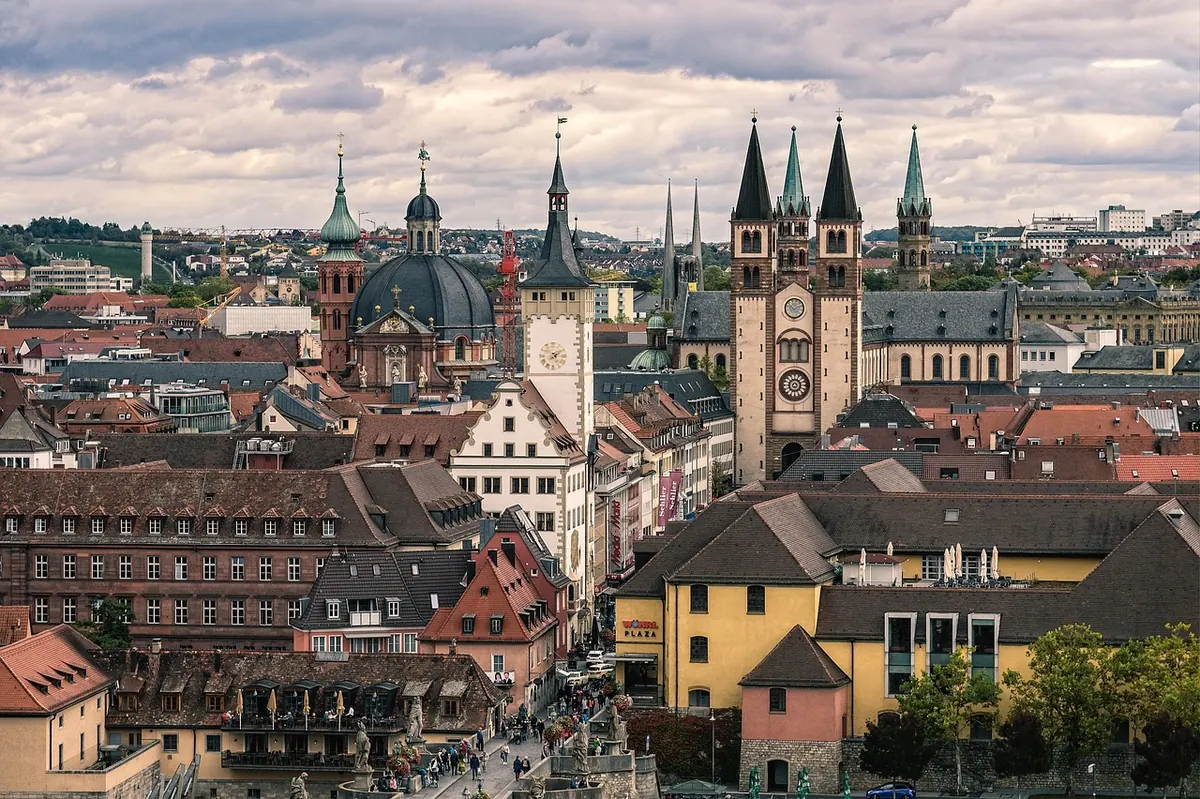
There is a moment, somewhere around the fourth turn of a worn stone staircase, when the noise of the piazza below drops away and you can hear your own breathing. Then the stair opens, the light changes, and the whole town is suddenly laid out beneath you at an angle no postcard has ever managed. Italy has hundreds of these towers, and nearly all of them repay the climb.
Nearly all. The disappointments tend to be small and entirely avoidable: the door locked for lunch, the peal of bells that arrives at close range with no warning, the staircase narrower, darker and longer than anyone in the group expected. None of that is a reason to skip the campanile. It is a reason to arrive knowing what you are walking into.
Most Italian bell towers are not run by large museums. They belong to a parish, a comune, a confraternity or a small group of volunteers, and their opening hours flex with the season, the feast days and whoever is holding the keys that week. A good number of small towers close for two or three hours around lunch. Many stop admitting visitors half an hour before the official closing time, because the last climb has to come down before the doors are locked. Funerals, weddings and local festivals can wipe out an afternoon without notice.
Restoration is the other quiet killer. Scaffolding goes up, a tower shuts for a year, and the internet keeps cheerfully insisting it is open. Check two sources before you build a day around a climb: the parish or comune website, and a phone call or a question at the local tourist office. If you are in town already, walk past the day before and read the actual sign on the door. Then climb in the morning, when you have the rest of the day as a fallback.
One more timing detail worth asking about at the bottom: when the bells ring. The noon Angelus and the evening peal are part of the building's working life, not a soundtrack laid on for visitors. Being inside the bell chamber when a full peal starts is a physical experience, and some towers simply keep visitors below that level at ringing times. Ask, and plan the climb around it rather than through it.
Access routes vary more than people expect. Sometimes you buy a ticket at a museum two streets away; sometimes you enter through the church itself and pay a volunteer at the base of the stair; sometimes the climb is only possible with a guide, or with a small group let up in batches because the staircase cannot safely hold more. Larger, famous towers often sell timed slots that vanish in high season; small town towers rarely need booking but can be maddeningly irregular.
So before you turn up, establish three things: where the ticket comes from, whether the climb is self-guided, and whether there is a cap on group size. It takes one phone call or one question at the door, and it saves the particular frustration of standing in a piazza with the tower shut and the ticket office closed for lunch.
Guidebooks say "a short climb" with a straight face about towers with several hundred steps, worn hollow in the middle, turning tightly enough that you meet your own shoulder. Headroom can be low, handrails can be a rope, and there is rarely a lift. On busy days the up traffic and down traffic negotiate the same narrow spiral, which is its own small etiquette problem. Treat the ascent as a proper walk, not a lift ride.
If you have heart or breathing problems, poor balance, vertigo or a fear of enclosed spaces, be honest with yourself before starting. Many towers have an intermediate level with a view and a window that gives most of the reward for a fraction of the effort. For anything medical, ask a doctor rather than a ticket clerk, and never let a group persuade you past your own limit.
A campanile is a bell tower before it is an attraction, and the church below it is usually in use. Dress as you would for any active church: shoulders and knees covered, hats off inside. Keep voices low in the church and on the stairs, and leave the picnic for the piazza.
At the top, the rules are mostly about other people's property and your own safety. Do not touch bells, clappers, ropes or the wooden frame; a bell that looks static can move. Do not climb onto the bell frame or sit on a sill, and stay behind whatever barrier exists, however good the photograph would be. Ropes and open stairwells are not handholds. Photography is usually fine without flash, but check before using a tripod, and treat drones as a separate legal question entirely, governed by national rules and often by local bans: ask the comune before you fly anything near a historic centre.
Midday in July is the worst of both worlds: harsh light, haze on the horizon and a stone stairwell with no air. Early morning and the last hour or two before closing usually give clearer views and thinner crowds. Weather matters more than most visitors assume. A tower is the tallest thing around, and if there is thunder in the forecast, the climb is not worth the risk; many towers close in high wind for the same reason. If the sky turns while you are up there, come down rather than waiting it out.
The panorama is the headline, but the building is the story. Look at how the bells are hung and rung, the worn inscriptions on them, the mason's marks on the stone, the patch where a medieval wall meets a nineteenth-century repair. Old bells are often recast after cracks, and the new one frequently carries the old one's name. Many towers keep a small booklet or a laminated sheet at the top explaining the restoration; read it. If a volunteer is on duty, ask what changed and when — you will learn more in five minutes than from any plaque.
Confirm today's hours and the ticket location, and check whether the bells are due to ring during your slot. Wear proper shoes, carry water, and leave the big bag behind. Read the notice at the bottom of the stairs, follow any barrier without argument, and give way on the spiral. Allow more time than you think the climb needs, and keep an hour spare in the day in case the tower is shut when you arrive. Then put the phone away at the top for a minute. The view is the reason you came; the silence, and the bells above your head, are the reason the tower was built.
Photo: Tama66 / Pixabay
A month-by-month guide to how weather, light and seasonal access shape bell tower visits, with practical...
A practical comparison of campanile climbs by view, access and crowds, with tips on stairs, timing and...
A practical walking route for reading a historic Italian town through its bell towers, from belfry details...