How Weather and Seasons Change Bell Tower Visits: A Month-by-Month Local Angle
A month-by-month guide to how weather, light and seasonal access shape bell tower visits, with practical...

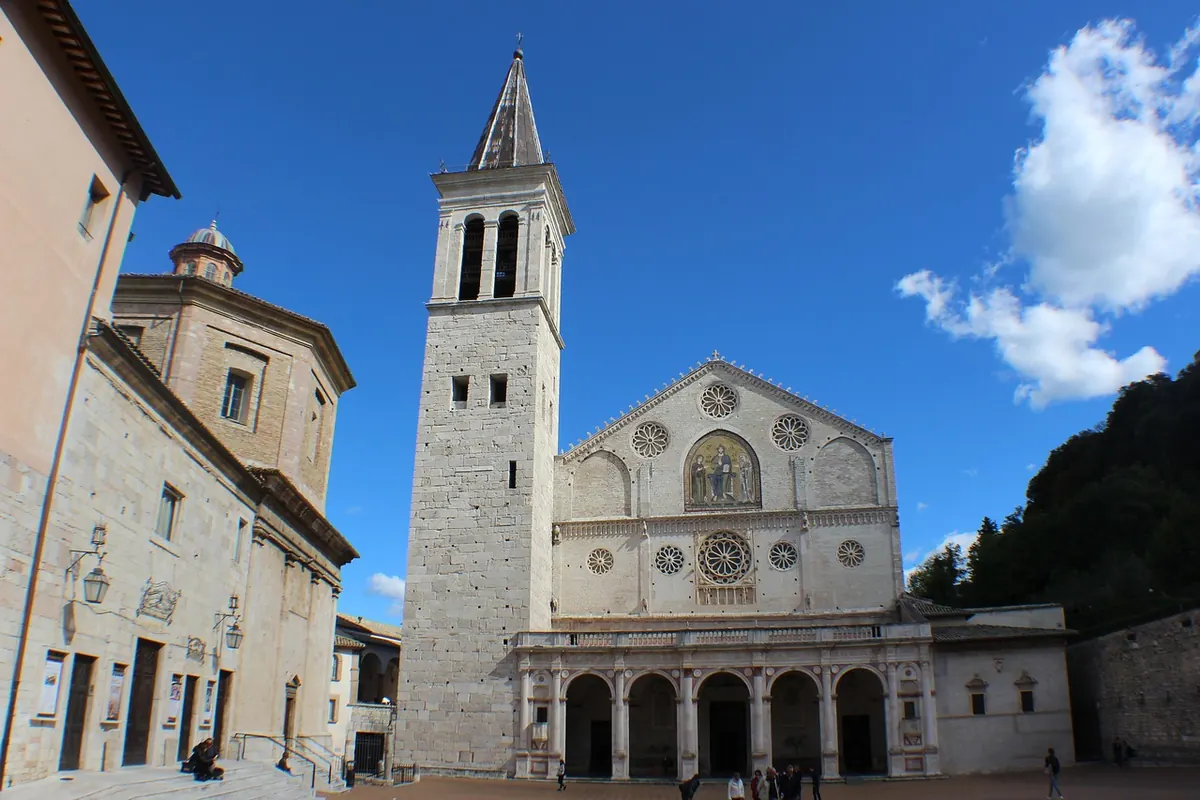
There is a moment, somewhere around the third landing, when you start counting the steps left. Then a narrow window appears, the noise of the piazza falls away, and you can hear your own breathing. That is the campanile experience: half architecture, half effort, and entirely worth the climb. Almost every Italian town has a bell tower, and the one in front of you is probably older, taller or stranger than you expect. What follows is for the first-timer — how to time the visit, how entry usually works, what to do with your hands and your voice once you are inside, and how to avoid being surprised by the bells on the stairs.
In Italy the word campanile covers a lot of ground. Some are attached to a parish church and still hold their original bells; some stand free in a square; a few are civic towers that once served as watchtowers and now ring mainly for ceremony. What they share is a function — the bells — and a shape: tall, narrow inside, with a stairwell that twists up to a bell chamber and, usually, an open terrace above it.
The practical consequence is that these towers are run by very different people. A parish campanile may be opened by a volunteer for a few hours on a Saturday. A city-owned tower may be ticketed, staffed and closed on Mondays. A third may not be open to the public at all, ever, and the door is simply a door. Check before you build a day around it.
Italian opening hours are not a rumour. In smaller towns, many monuments and church towers close for a long midday break — frequently somewhere between 12:30 and 15:30, though the exact window shifts with place and season. Arrive at one o'clock in a hill town in October and there is a fair chance you will be looking at a locked door and a notice reading chiuso. Plan the climb for the morning or the late afternoon.
Morning gives cleaner light and smaller crowds. Late afternoon gives warmer colours, longer shadows and, in summer, a breeze that makes the terrace bearable. Midday in July gives heat, haze and the strongest sun on the stairs; the inside of a tower can be stuffy even when the square outside feels pleasant.
Bells are not background music when you are standing four metres from them. Many parishes ring at set hours — often morning, midday and evening, and some still ring the Angelus. Ask whoever sells you the ticket when the next peal is due; if the system is automated, they will know. Being in the bell chamber when it starts is thrilling once and unpleasant twice, so time it deliberately or wait it out on the terrace.
Also: do not climb during Mass, a wedding or a funeral. The tower may be physically open, but the church below is in use, and footsteps on the stairs carry. Read the notice board outside the door; service times are usually posted there.
There is no single national system. Roughly, you will meet three arrangements. First, the free or donation-based parish tower, where a volunteer sits by the door and a contribution toward maintenance is welcome. Second, the ticketed civic tower, sold through a museum, a tourist office or a small booth at the base. Third, the by-reservation monument, where a timed slot is the only way in and capacity is capped.
Fees at the smaller towers are usually modest — comparable to a coffee and a pastry — while major landmarks charge accordingly. Bring some cash even if you intend to pay by card. Small operations do not always have a terminal, and the volunteer at the door will not be able to improvise one.
A useful habit: stop at the local tourist office first. Staff there know which towers are open that week, which have lifts, and which are closed for restoration — that saves a lot of walking.
Most campanili were not designed for visitors. Expect worn stone or brick treads, a low lintel or two, a handrail that may not be continuous, and a spiral narrow enough that two people cannot comfortably pass. Some towers run a one-way flow; others do not, which is why you will hear people calling out before they turn a blind corner.
Dress for it. Proper shoes with grip, not sandals. A small bag, not a daypack, which will catch on the walls. Water if it is warm, and a layer if it is not — the top of a tower is exposed, and the wind up there is a different weather system from the square. If you have heart, breathing or mobility concerns, ask a doctor before tackling several hundred steps in a confined space, and treat vertigo the same way; it is often worse on an open terrace than on the stairs.
Then the courtesies that make the climb pleasant for everyone. Step onto a landing to let people come down. Do not stop mid-stair to take a photo. Keep your voice low — a stairwell is an echo chamber, and the people below hear everything. Watch children near openings and railings, and hold the door for the person behind you.
A campanile is a working building with a very old staircase. Behave as you would in someone's house, because in the parish towers that is exactly what you are doing.
Inside a church, cover shoulders and knees, remove hats and silence your phone. That applies to the tower when it belongs to a church complex, and it applies to the space at the base. Flash photography is usually unwelcome and often pointless; tripods block stairwells and are frequently banned. If a sign says no photographs, it means no photographs.
Keep your hands off the bells. Bronze and its fittings are centuries old, ropes fray, and mechanisms bite. Do not lean on a bell frame to pose for a picture, do not open a hatch that is not obviously meant to be opened, and do not try to swing anything. Where the ringing is automated, it can begin without warning.
At the top, take your moment with the view and then step aside so others can reach the railing. Do not linger past closing time — the keeper has a life, and being asked to leave is a poor end to a good climb.
Do all that and the climb becomes what it should be: a short, slightly strenuous, quietly spectacular half hour in the middle of a town that has been hearing those bells for centuries.
Photo: faustomanasse / Pixabay
A month-by-month guide to how weather, light and seasonal access shape bell tower visits, with practical...
A practical comparison of campanile climbs by view, access and crowds, with tips on stairs, timing and...
A practical walking route for reading a historic Italian town through its bell towers, from belfry details...